| |
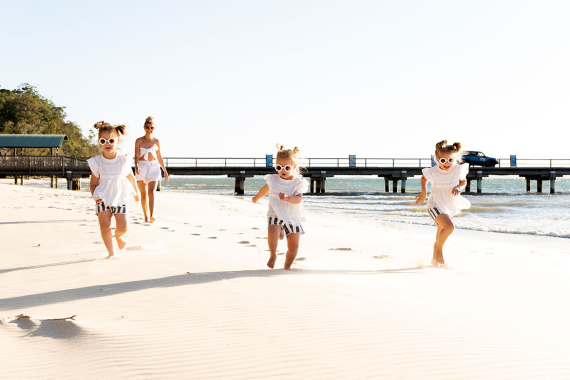
Fraser + Romance
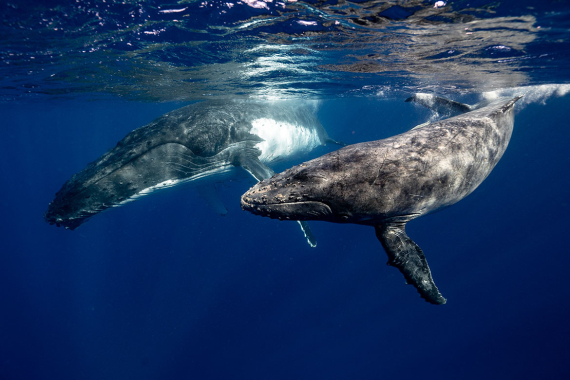
Fraser + Whales
Marine Activities
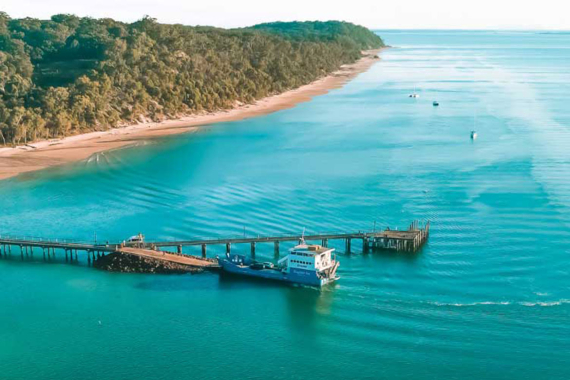
How To Get There
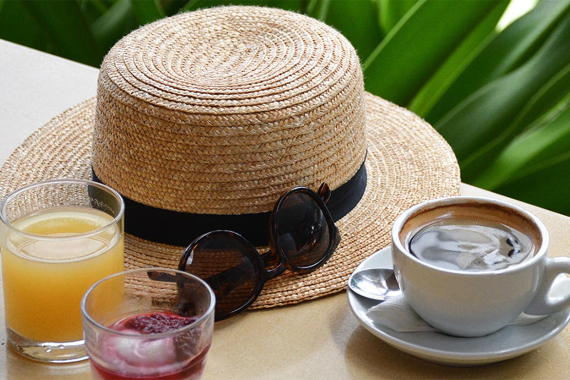
Tastes of Australia
|
|
RESORT INFORMATION
AVERAGE TEMPERATURES Queensland is known for its warm, sunny weather and Fraser Island has recorded average temperatures of 22°C (71.6F) in winter and 29°C (82.4F) in summer.
DIETARY REQUIREMENTS Our kitchen can cater for vegetarians and other special dietary needs (gluten free etc) as long as we're given sufficient notice... please advise resort staff or travel agent when booking.
FACILITIES AND SERVICES Kingfisher Bay Resort offers a wide variety of facilities and services including resort shop and fuel outlet, natural therapies salon, a four-wheel drive taxi, a limited range of emergency mechanical services... read more>
FOUR-WHEEL-DRIVING CONDITIONS Fraser Island’s ocean beach highways are legal roads and the main thoroughfares for heading north and south, but there is also a variety of inland roads and vehicle tracks which connect the island’s eastern and western resorts.
Usually speed limits are 80km/h on the beach highways and either 35km/h or 20km/h on the inland tracks. Both tracks and beach highways are well within the capabilities of average city drivers, but drivers need to be responsible and make themselves aware of the pitfalls and conditions before setting out.
LATITUDE Fraser Island is located just off the south-central Queensland coast, approximately on the latitudes of Maryborough and Bundaberg. The island itself extends between 24°42’S and 25°48’S, and between 152°56’E and 153°22’E.
MEALS Kingfisher Bay offers a wide range of dining experiences to suit all tastes and wallets... read more>
PERMITS Vehicle access permits are required for all vehicles entering the Great Sandy National Park. Permits may be obtained from River Heads Barge Office, at Kingfisher Bay Resort reception upon arrival and at Queensland National Parks and Wildlife Service offices including Brisbane, Hervey Bay, Maryborough, Bundaberg and Rainbow Beach. You can also purchase by calling 131304 or online at www.epa.qld.gov.au.
SMOKING Smoking is prohibited inside all buildings and where food, alcohol or entertainment is provided.
SPONSORSHIP AND PRIZE REQUEST Sponsorship and Prize Request Guidelines.
TIDES Bureau of Meteorology – Tide Predictions for Queensland.
For information on tidal times on the Western Side of the island – where Kingfisher Bay Resort is located, please search under Urangan. For Eurong, Eastern Beach or 75-Mile Beach, please search under Waddy Point.
TIME ZONE Fraser Island is on the same local time as Brisbane GMT +10.
TRANSPORT Air Ferry and Barge Transport Four Wheel Drive Hire Land Organised Day Tours Rail Sea
VISITOR RESTRICTIONS Visitors are banned from taking dogs, cats or any other domestic animals onto any part of Fraser Island, including the beaches.
WEATHER & SEASONS Visitors from around the world flock to Fraser Island all year round. The weather patterns during Australian seasons is very different to northern hemisphere. Australia is generally a very dry place, so summers can get much hotter. The pattern of rainfall is also distinct - some places have abundant rain at one time of the year and almost none at other times. On Fraser Island:
Summer (Dec-Feb): Australian School Holidays fall in summer and Fraser Island is a popular destination. Average temperatures sit at 29°C.
Autumn (Mar-May): Most seasonal rainfall in Queensland is around February and March, with chances of rain decreasing in April. Autumn also offers brilliant weather and mild temperatures.
Winter (Jun-Aug): Although cold weather may be experienced in winter, but the temperatures are perfect for bush walking and Fraser Island and the Cooloola Coast are generally far warmer than the more inland regions of South Queensland, due to the proximity to the sea. The chances of rain are reduced, especially after the end of June, however sunburn protection is still necessary.
Spring (Sept-Dec): Late winter and early spring are popular due to the start of the tailor fishing season, Hervey Bay’s Whale Watching season and peak wildflower season – all which fall between August and October. Temperatures increase after mid-October. WHAT DOES ADVANCED ECOTOURISM MEAN? Advanced Ecotourism is awarded to Australia's leading and most innovative ecotourism products which provide an opportunity to learn about the environment with an operator who is committed to achieving Best Practice by using resources wisely, contributing to the conservation of the environment and helping local communities.
WHAT IS ECOTOURISM? Ecotourism is tourism in a natural area that offers interesting ways to learn about the environment with an operator that uses resources wisely, contributes to the conservation of the environment and helps local communities.
WHAT TO WEAR? • Lightweight casual clothes. • Sandshoes or comfortable walking shoes. • Hat and sunscreen. • Smart casual clothing after 6pm. • Make sure you bring warmer clothing for cool winter nights. • Don't forget a camera!
|
|